
Teaching Innovation Takes Center Stage as IIT Gandhinagar Hosts ITEC

Table of Contents
When we look closely at our classrooms across the country, it becomes evident that education is undergoing a massive transformation. Parents and educators alike often wonder how traditional learning methods can keep pace with a rapidly changing world. During my years in school leadership, I have consistently noticed that meaningful academic progress relies heavily on how we adapt our instructional approaches. It is against this dynamic backdrop that recent institutional milestones capture our collective attention.
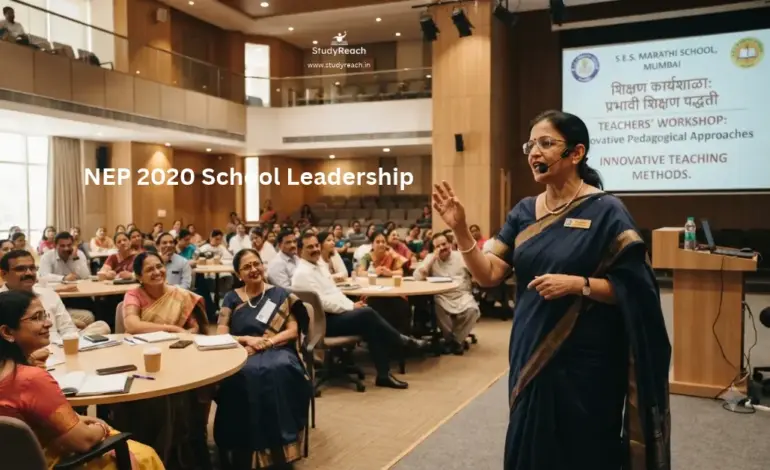
Recently, a remarkable development caught the eye of the academic fraternity when IIT Gandhinagar welcomed faculty members from twenty different countries for an intensive two-week ITEC programme. This initiative highlights a growing commitment toward global collaboration and cross-cultural exchange in modern pedagogy. By exploring this trending topic, we can better understand how global perspectives on teaching innovation are shaping the future of education in India and beyond.
Understanding the Global Wave of Teaching Innovation
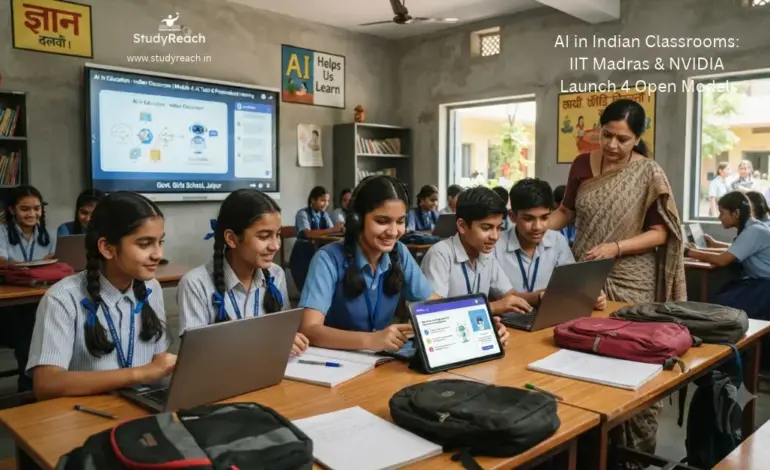
To truly grasp the significance of international faculty gathering in Gujarat, we must first examine what contemporary pedagogical transformation actually entails. At its core, the concept moves far beyond simply integrating digital tablets or smart boards into a physical classroom. It reimagines curriculum delivery, encourages critical thinking, and fosters inclusive learning environments that cater to diverse student backgrounds. When educators from across borders share their unique classroom strategies, a rich tapestry of practical wisdom emerges.
This surge of global professional development has surfaced because modern societies demand creative, problem-solving citizens rather than rote memorizers. Educational institutions are realizing that isolated teaching practices no longer suffice in an interconnected global economy. Programs designed to foster collaborative academic growth help bridge the gap between theoretical pedagogy and everyday classroom realities. Through structured workshops and peer mentoring, educators learn to design lessons that spark genuine curiosity among students of all age groups.
Furthermore, aligning institutional goals with broader national frameworks ensures that classroom practices remain relevant and impactful. For instance, educators can draw valuable insights from resources provided by the Ministry of Education to understand policy-level changes. When national priorities meet international best practices, schools create an ecosystem where pedagogical evolution thrives organically. This synergy ultimately benefits teachers who are eager to modernize their instructional methods.
Why This Matters for Indian Students and Schools Today
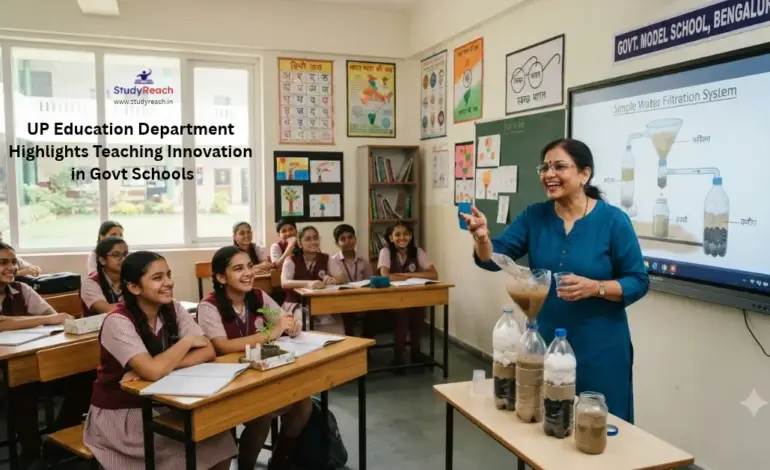
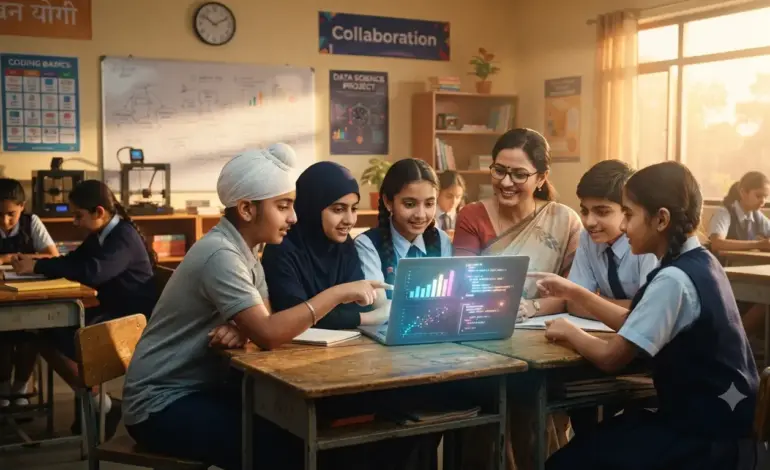
The impact of international faculty exchanges trickles down directly to the daily experiences of Indian school children. When our teachers are exposed to global methodologies through initiatives like the ITEC programme, they bring back fresh perspectives on student engagement. Instead of passive listening, children experience experiential learning, collaborative projects, and inquiry-based assessments. This shift helps students build resilience and adaptability, which are essential skills for the twenty-first century.
Moreover, local schools often struggle with maintaining high standards of academic rigor while nurturing emotional well-being. Exposure to diverse educational frameworks provides our teachers with holistic tools to address varied learning paces within a single classroom. As we have explored in discussions surrounding the Teacher Innovation Fellowship, celebrating creative educators is vital for institutional success. When teachers feel supported and inspired by global standards, their enthusiasm naturally translates into better learning outcomes for students.
“Sir, when teachers try new activities in class, science and math suddenly stop feeling like scary subjects. We actually look forward to solving real problems together.” — Reflection from a senior high school student
Parents also play a crucial role in supporting this modern educational paradigm at home. When families understand that modern schooling prioritizes conceptual understanding over mere marks, the academic anxiety that plagues many households begins to lift. Collaborative learning environments encourage children to ask questions without fear of judgment, fostering a lifelong love for acquisition of knowledge. Consequently, the entire educational community moves toward a healthier, more productive relationship with learning.

The Real Challenges on the Ground
Despite the inspiring momentum generated by global academic summits, implementing widespread pedagogical change is rarely straightforward. Many traditional schools face infrastructural constraints, rigid curriculum timelines, and resistance to change from conservative stakeholders. Teachers burdened with excessive administrative paperwork often find it difficult to dedicate time to experimental lesson planning. Bridging the gap between high-level international training and daily chalk-and-talk classroom realities requires immense patience and institutional backing.
Another significant hurdle involves training educators at scale without disrupting ongoing academic sessions. While a select group of teachers might benefit from intensive residential programmes, ensuring that these learnings cascade down to every classroom remains a tough managerial puzzle. School leaders must actively create internal professional learning communities where visiting or trained faculty can mentor their peers. Overcoming these operational roadblocks demands visionary leadership and a clear commitment to continuous institutional improvement.
| Traditional Approach | Thoughtful Modern Approach |
|---|---|
| Rote memorization and textbook-heavy lectures | Experiential learning and critical inquiry |
| Isolated teacher working independently | Collaborative peer networks and global exchange |
| Standardized testing as the sole metric | Holistic skill assessment and formative feedback |
| Teacher-centric classroom delivery | Student-centric collaborative exploration |
Practical Steps for Teachers, Parents, and Students
Translating grand educational philosophies into daily habits requires deliberate, step-by-step action from every stakeholder involved. Teachers must take the initiative to experiment with micro-innovations within their existing lesson plans rather than waiting for a complete institutional overhaul. Parents can encourage curiosity at home by discussing real-world news and asking open-ended questions instead of focusing exclusively on examination scores. Meanwhile, students should embrace active participation, viewing mistakes as valuable stepping stones toward deeper understanding.
- Incorporate collaborative group tasks into routine subject lessons.
- Utilize digital public academic resources for extended reading.
- Maintain reflective journals to track effective instructional strategies.
- Foster open communication channels between school leaders and families.
By implementing these manageable practices, schools can gradually build a resilient culture of continuous improvement. As educators, our primary duty is to ensure that every policy shift translates into a warmer, more engaging classroom experience. When all stakeholders pull in the same direction, systemic educational progress becomes an achievable reality rather than a distant dream.
Looking Ahead at the Future of Learning
As we gaze into the horizon of Indian education, the integration of global insights with local cultural values holds immense promise. Initiatives that bring international educators to our premier institutions pave the way for a more inclusive and forward-thinking academic landscape. We must continue to champion programs that encourage our teachers to dream bigger, experiment fearlessly, and share their unique classroom successes with the world. The journey of transforming our schools is ongoing, but the foundation we lay today will undoubtedly empower generations to come.
Final Thoughts
Reflecting upon the recent congregation of international minds at IIT Gandhinagar reminds us that education is a universal endeavor. No single school or nation holds a monopoly on great ideas, and true progress happens only when we open our doors to collaborative dialogue. By championing teaching innovation at every level of our educational framework, we prepare our children to navigate an increasingly complex global community with confidence and grace.
Let us remember that every small classroom experiment, every shared lesson plan, and every supportive parental conversation contributes to a much larger movement. Together, let us build inspirational learning spaces where every child feels equipped to question, explore, and excel.