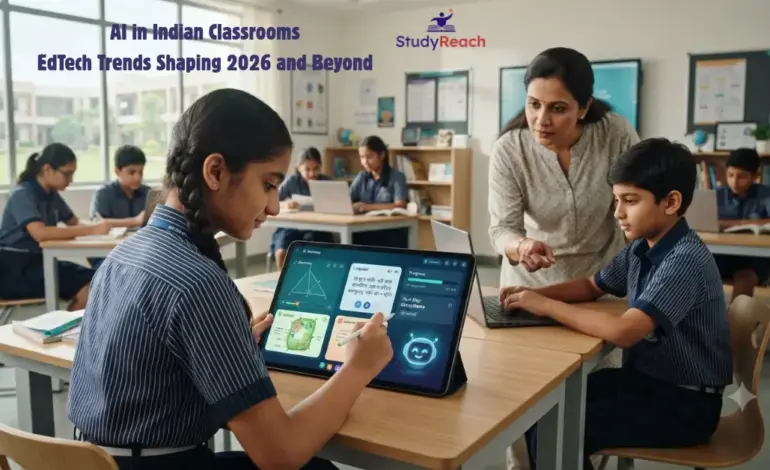
AI in Indian Classrooms: EdTech Trends Shaping 2026 and Beyond

Table of Contents
The Indian education landscape is evolving at a breathtaking speed today.
New technological tools enter classrooms almost every single month.
As educators, we often pause and wonder about the true impact of these innovations.
Are we genuinely improving learning outcomes for our children?
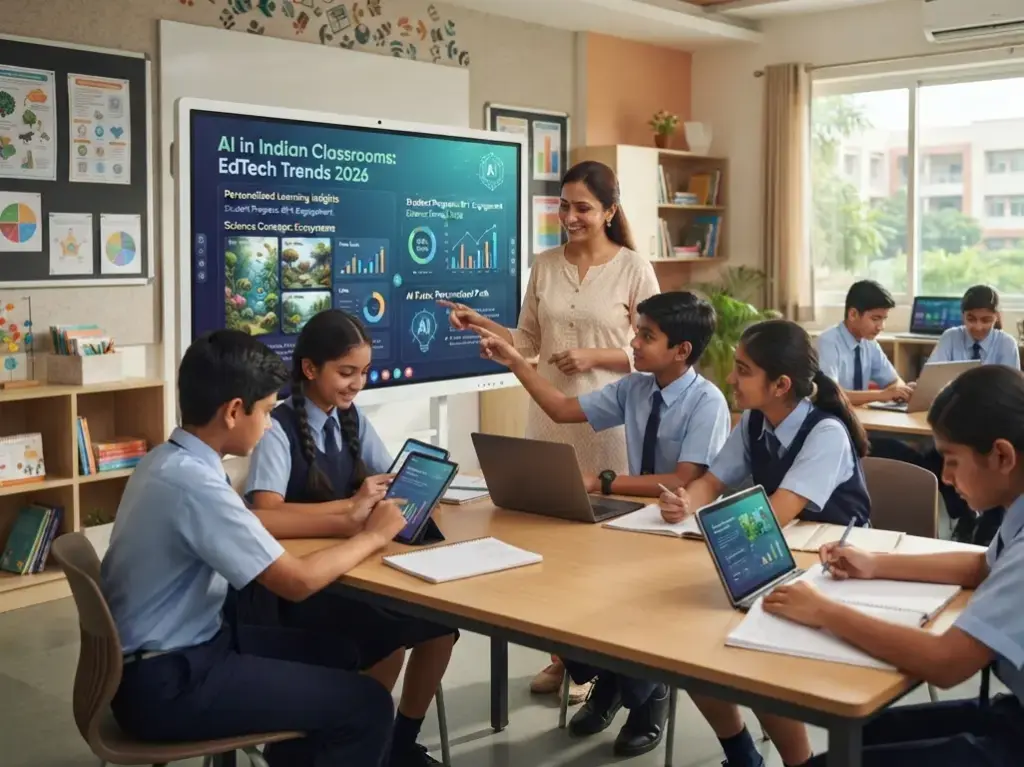
Let us explore how AI in Indian Classrooms is redefining the future of schooling.
The Current Shift in Educational Technology
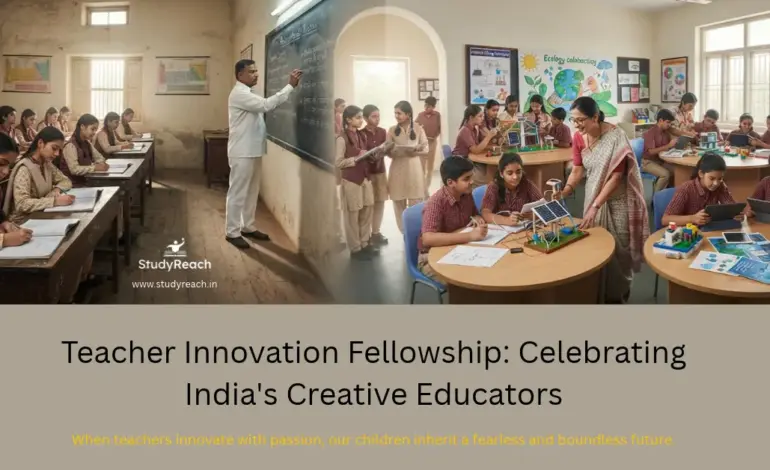
Gone are the days when chalkboards and textbooks formed the entire universe of learning.
Today, digital learning platforms, immersive apps, and intelligent tutoring systems are taking center stage.
According to recent updates from the Ministry of Education, digital integration is a top priority.
Schools across urban and semi-urban India are embracing hybrid learning models.
This rapid shift brings both exciting opportunities and practical challenges for teachers.
To understand the broader technical context, you can read our detailed piece on how AI is reshaping education in India.
“Sir, my daughter now uses a voice-assisted app to clear her math doubts at midnight. It feels like having a personal tutor at home!” — A Delhi parent sharing her experience.
Parents are noticing these positive shifts in their children’s daily study routines.
However, technology must always act as a bridge, never as a barrier.
Why AI in Indian Classrooms Matters Now
Every student learns at a different pace and possesses unique strengths.
Traditional one-size-fits-all teaching methods often leave average and struggling learners behind.
Intelligent learning software analyzes student performance data in real time.
Teachers can now identify learning gaps before a major exam arrives.
Official digital frameworks like DIKSHA are already laying robust foundations for nationwide digital equity.
Meanwhile, global organizations like UNESCO Education emphasize inclusive digital growth.
- Personalized learning pathways for every single student
- Automated administrative support reducing teacher burnout
- Instant doubt resolution using safe generative AI tools
- Engaging interactive modules replacing passive textbook reading
These features help bridge the rural-urban divide in quality education.
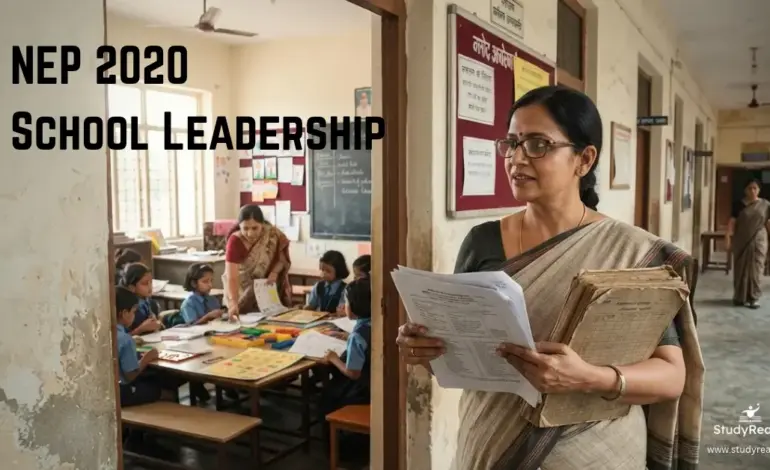
They also align wonderfully with the vision outlined in NEP 2020 guidelines.
Traditional Teaching vs Modern EdTech
| Instead of only… | Why not also… |
|---|---|
| Rote memorization of textbook chapters | Interactive concept mapping via smart apps |
| Generic homework for the entire class | Adaptive exercises tailored to individual weak points |
| Manual grading consuming hours of teacher time | Automated assessment insights delivered instantly |
| Static blackboard diagrams and illustrations | Immersive 3D models bringing complex topics to life |
This side-by-side comparison highlights why modernization is essential for our schools.
We must blend human empathy with smart technological efficiency.
“As a teacher, I use AI tools to plan remedial worksheets in minutes. It gives me more time to actually talk to my students.” — Senior Educator reflection from Mumbai.
Technology does not replace teachers; it empowers them to teach better.
My Question to Parents
How comfortable are you with your child using AI-powered study tools at home?
Are you setting healthy screen time boundaries while encouraging digital curiosity?
Share your thoughts in the comments or write to us directly.
My Question to Students
Are you using smart educational apps only for copying answers, or for true conceptual understanding?
Remember that genuine knowledge comes from curiosity, not shortcuts.
Final Thoughts
The EdTech trends of 2026 are opening doors we once only imagined in science fiction.
Let us embrace smart educational tools wisely, ensuring every child in India thrives in the digital age.
Must Also Read on StudyReach
- How AI Is Reshaping Education in India (2025): Benefits, Challenges & Real Use Cases
- CBSE Board Exams 2027 Dates, Syllabus, and Preparation Strategy
- AI in Indian Classrooms: New Google Cloud and Accenture Partnership