Bloom’s Taxonomy Steps of Learning: Students और Teachers केलिए Complete Guide

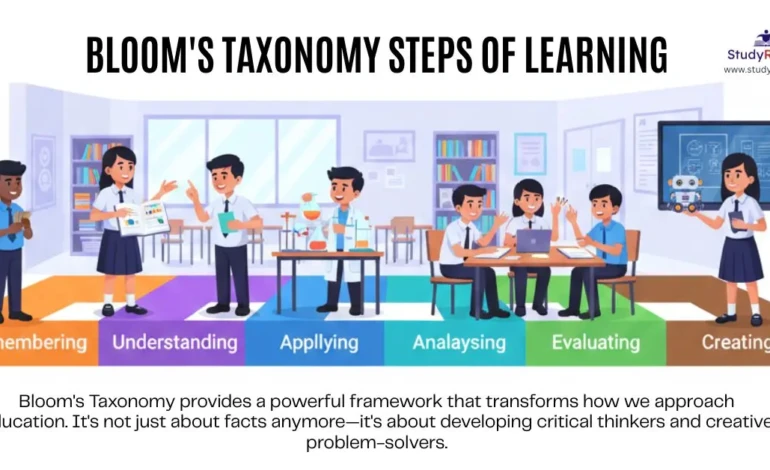
Bloom’s Taxonomy steps of learning एक ऐसा educational framework है जो हर student और teacher को समझना चाहिए। क्या आप जानते हैं कि सीखना सिर्फ रटने तक सीमित नहीं है? असल में, learning की 6 different levels होती हैं – Remembering से लेकर Creating तक। आज के competitive world में, जहां सिर्फ facts याद करना काफी नहीं है, यह समझना जरूरी है कि आप किस level पर सीख रहे हैं।
इस comprehensive guide में हम Bloom’s Taxonomy के सभी steps को detail में समझेंगे, साथ ही 21st century skills के साथ इसका connection भी देखेंगे। Whether आप एक student हैं, parent हैं, या teacher – यह article आपके लिए बेहद useful साबित होगा।
Table of Contents
- Bloom’s Taxonomy क्या है?
- Learning की 6 Levels – Complete Explanation
- Level 1: Remembering – याद करना
- Level 2: Understanding – समझना
- Level 3: Applying – लागू करना
- Level 4: Analysing – विश्लेषण करना
- Level 5: Evaluating – मूल्यांकन करना
- Level 6: Creating – रचना करना
- 21st Century Skills और Bloom’s Taxonomy
- Students के लिए Practical Examples
- Students के लिए Benefits
- Teachers के लिए Implementation Tips
- Frequently Asked Questions
Bloom’s Taxonomy क्या है? (What is Bloom’s Taxonomy?)
Bloom’s Taxonomy एक educational classification system है जिसे 1956 में Benjamin Bloom ने develop किया था। यह framework learning objectives को 6 hierarchical levels में divide करता है, जो simple से complex thinking की ओर बढ़ते हैं।
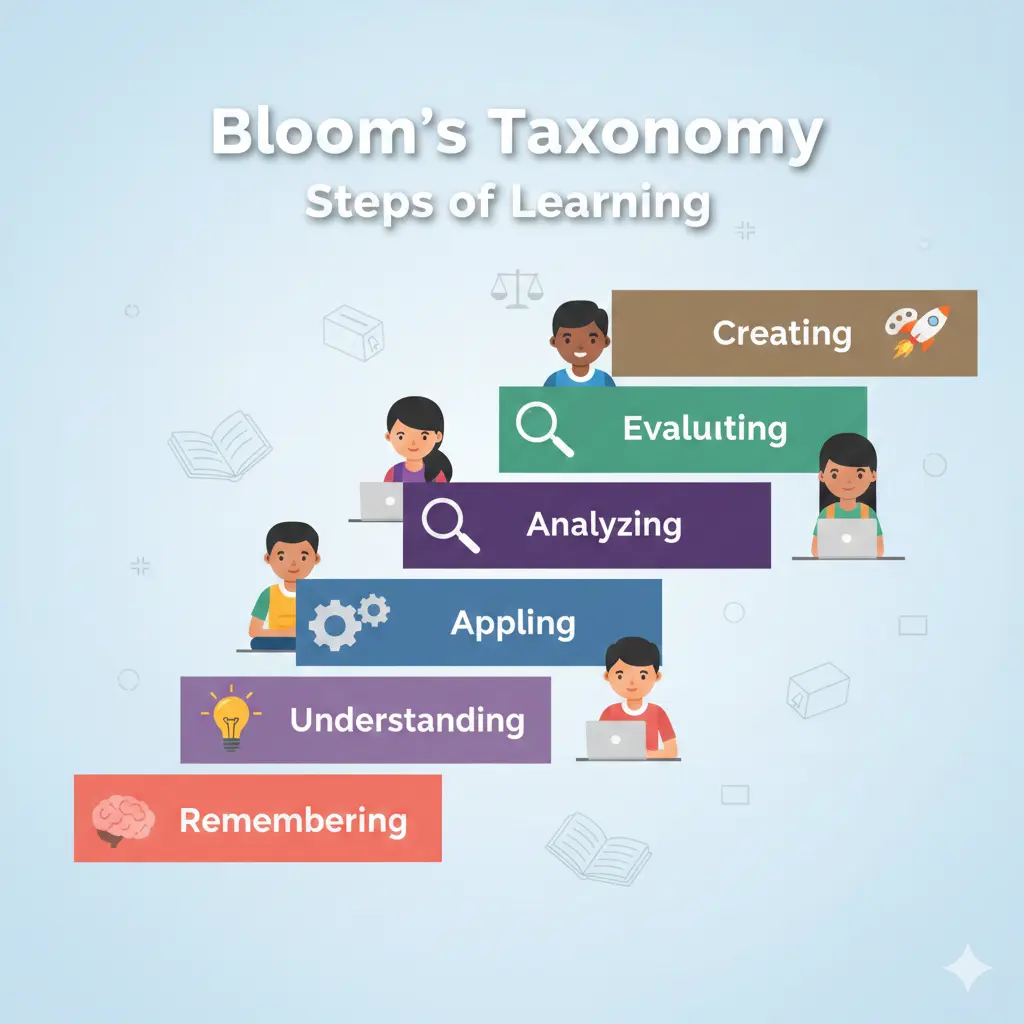
सोचिए इसे एक सीढ़ी की तरह – आप नीचे से शुरू करते हैं (Remembering) और धीरे-धीरे ऊपर की ओर बढ़ते हैं (Creating)। हर level पिछले level की knowledge पर build होता है।
क्यों Important है यह Framework?
- Students को deeper learning में help करता है
- Teachers को effective teaching strategies design करने में मदद मिलती है
- Exam preparation में structured approach देता है
- Critical thinking और problem-solving skills develop होती हैं
- 21st century skills के साथ perfectly align होता है
Learning की 6 Levels – Complete Explanation
Bloom’s Taxonomy steps of learning को 6 progressive levels में divide किया गया है। आइए हर level को detail में समझें:
| Level | नाम | Focus | Key Activities |
|---|---|---|---|
| 1 | Remembering | Recall करना | Facts, definitions याद करना |
| 2 | Understanding | समझना | Concepts explain करना |
| 3 | Applying | Apply करना | Knowledge use करना |
| 4 | Analysing | Analyse करना | Patterns खोजना |
| 5 | Evaluating | Judge करना | Assessment करना |
| 6 | Creating | Create करना | New ideas generate करना |
Level 1: Remembering – याद करना (Foundation Level)
Remembering सबसे basic level है जहां students concepts, definitions और factual information को recall करते हैं।
इस Level पर क्या होता है?
- Facts और figures याद करना
- Definitions और formulas memorize करना
- Important dates और events recall करना
- Basic terminology को identify करना
Textbook में कैसे पहचानें?
इस level के questions usually होते हैं:
- “At a Glance” section
- “Do You Know?” boxes
- Quick recall questions
- Definition-based questions
📚 Example Questions:
- What is the capital of France?
- पानी का रासायनिक सूत्र क्या है?
- List the planets in solar system
- भारत के प्रथम प्रधानमंत्री कौन थे?
Students के लिए Tips:
- Flashcards का use करें
- Regular revision करें
- Mnemonics techniques अपनाएं
- Group study में quiz करें
Level 2: Understanding – समझना (Comprehension Level)
Understanding level पर students सिर्फ याद नहीं करते, बल्कि concepts को समझते और अपने शब्दों में explain करते हैं।
इस Level की Key Activities:
- Chapter content को summarize करना
- Concepts को अपने words में explain करना
- In-text questions solve करना
- Examples के through समझना
- Concepts के बीच connection बनाना
Textbook में कहां मिलता है?
- Chapter Content – main explanations
- In-text Exercises – comprehension questions
- Diagrams और illustrations की explanation
- Summary sections
📝 Example Questions:
- Explain the process of photosynthesis in your own words
- पाचन तंत्र की प्रक्रिया को समझाइए
- Summarize the main theme of the chapter
- What is the difference between weather and climate?
Study Strategy:
- Concept maps बनाएं
- अपने शब्दों में notes लिखें
- Examples के साथ practice करें
- Peer teaching try करें
Level 3: Applying – लागू करना (Application Level)
Applying level पर students acquired knowledge को real situations में use करते हैं। यहां theory से practical की journey शुरू होती है।
Application के प्रकार:
- Learned concepts को problems में apply करना
- Formulas और rules का practical use
- New situations में knowledge transfer करना
- Step-by-step solutions develop करना
Textbook में Location:
- Review Exercises – chapter end problems
- Reason It Out sections
- Practice problems और worksheets
- Numerical questions
🔧 Example Activities:
- Use the formula v = u + at to solve motion problems
- दिए गए data से graph बनाना
- Apply grammar rules to construct sentences
- गणित के सूत्रों को word problems में use करना
Mastery Tips:
- हर concept के बाद practice problems solve करें
- Real-life examples खोजें
- Different types of questions practice करें
- Mistakes से सीखें
Level 4: Analysing – विश्लेषण करना (Analysis Level)
Analysing higher-order thinking की शुरुआत है। इस level पर students information को break down करके patterns और relationships identify करते हैं।
Analysis में क्या शामिल है?
- Concepts को छोटे parts में divide करना
- Cause और effect relationships समझना
- Patterns और trends identify करना
- Environmental issues के solutions promote करना
- Critical examination करना
Textbook में पहचान:
- “Let’s Begin” sections – thought-provoking introductions
- Case Study activities
- Analytical questions
- Compare-contrast exercises
🔍 Example Activities:
- Case Study: Climate change के effects को analyze करना
- किसी experiment के results को interpret करना
- Historical events के causes का analysis
- Literary texts में themes और symbols identify करना
Skills Development:
- Critical reading practice करें
- Data interpretation skills develop करें
- Logical reasoning strengthen करें
- Multiple perspectives consider करें
Level 5: Evaluating – मूल्यांकन करना (Evaluation Level)
Evaluating level पर students knowledge को assess और judge करते हैं। यह competency-based learning का core है।
Evaluation क्या है?
- Learning effectiveness को assess करना
- Solutions की validity judge करना
- Different approaches को compare करना
- Evidence-based opinions बनाना
- Quality और effectiveness measure करना
Textbook Features:
- Competency-based Questions
- Critical thinking exercises
- Debate और discussion topics
- Peer assessment activities
⚖️ Example Questions:
- Evaluate the effectiveness of renewable energy sources
- क्या यह solution सबसे best है? Justify
- Compare two different methods and recommend the better one
- इस approach की strengths और weaknesses क्या हैं?
Evaluation Skills बढ़ाने के लिए:
- Evidence-based thinking practice करें
- Multiple viewpoints consider करें
- Criteria-based assessment करें
- Constructive feedback दें और लें
Level 6: Creating – रचना करना (Creation Level – Highest)
Creating Bloom’s Taxonomy की सबसे highest level है। यहां students अपनी knowledge को use करके कुछ नया और original create करते हैं।
Creation में क्या होता है?
- नए ideas और concepts generate करना
- Innovative solutions design करना
- Original projects और products बनाना
- Learnt concepts को innovative ways में combine करना
- Unique perspectives develop करना
Textbook में Activities:
- Maths Lab Activity
- Project work
- Creative assignments
- Innovation challenges
- Research projects
🎨 Example Projects:
- Design a sustainable city model
- अपनी खुद की story या poem लिखना
- Create a working model of solar system
- नया mathematical pattern discover करना
- Develop an app or website for social cause
Creative Thinking के लिए:
- Brainstorming sessions करें
- Different fields की knowledge combine करें
- Failures से डरें नहीं
- Prototype और iterate करें
- Collaboration को encourage करें
21st Century Skills और Bloom’s Taxonomy का Connection
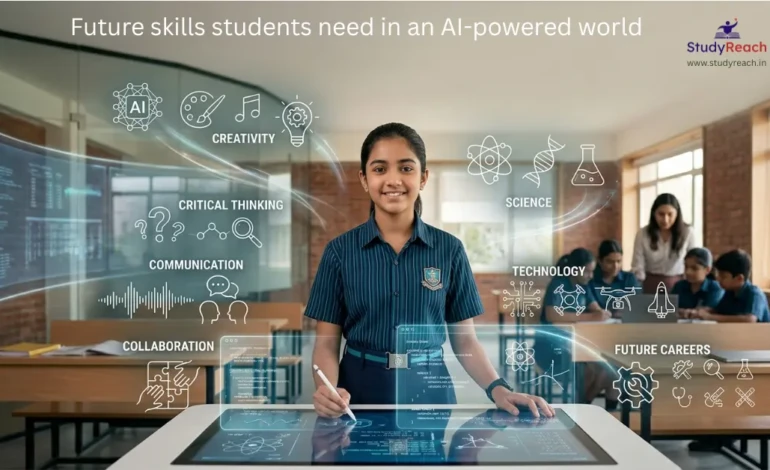
आज की education में सिर्फ facts जानना काफी नहीं है। 21st century skills – जैसे critical thinking, creativity, collaboration, और communication – Bloom’s Taxonomy के साथ perfectly align होती हैं।
The Four C’s of Learning:
- Critical Thinking: Analysis और Evaluation levels develop करते हैं
- Creativity: Creating level में focus रहता है
- Collaboration: सभी levels में group work के through
- Communication: Understanding और Applying levels में essential
The Three E’s of Learning:
- Engagement: Active participation through all levels
- Exploration: Analysis और Creation के through
- Empowerment: Independent thinking और problem-solving
💡 क्यों Important है?
आज के information और technology के युग में, students को न सिर्फ knowledge होना चाहिए, बल्कि उसे creatively use करना भी आना चाहिए। Bloom’s Taxonomy यह framework provide करता है।
Students के लिए Practical Examples
आइए समझें कि different subjects में Bloom’s Taxonomy कैसे काम करता है:
Mathematics में Example:
Topic: Fractions
- Remembering: 1/4 को decimal में convert करना (0.25)
- Understanding: Fraction का concept अपने words में explain करना
- Applying: Pizza को equally 8 friends में divide करना
- Analysing: Different fractions को compare करना (कौन बड़ा है?)
- Evaluating: Best method choose करना fractions को add करने के लिए
- Creating: Real-life problem create करना जिसमें fractions use हों
Science में Example:
Topic: Water Cycle
- Remembering: Water cycle के steps name करना
- Understanding: हर step की process explain करना
- Applying: Local area में water cycle observe करना
- Analysing: Climate change का water cycle पर effect
- Evaluating: Water conservation methods की effectiveness
- Creating: Rainwater harvesting का model design करना
Language/English में Example:
Topic: Story Writing
- Remembering: Story के elements याद करना (plot, character, setting)
- Understanding: Story का main theme समझना और explain करना
- Applying: Grammar rules use करके sentences बनाना
- Analysing: Character motivations और themes analyze करना
- Evaluating: Story की effectiveness judge करना
- Creating: अपनी original story लिखना
Students के लिए Benefits
🎯 Academic Benefits:
- Better Exam Performance: सभी types के questions handle करने की ability
- Deeper Understanding: सिर्फ rote learning से आगे बढ़ना
- Improved Problem-Solving: Complex problems को systematically solve करना
- Enhanced Retention: Concepts लंबे समय तक याद रहते हैं
- Competitive Edge: Competitive exams में advantage
🌟 Life Skills Development:
- Critical thinking abilities strengthen होती हैं
- Creative problem-solving skills develop होते हैं
- Independent learning की habit बनती है
- Self-assessment capability बढ़ती है
- Confidence और self-reliance आता है
📊 Career Readiness:
- 21st century workplace skills develop होते हैं
- Innovation और creativity mindset बनता है
- Analytical thinking strengthen होती है
- Adaptability और flexibility आती है
Teachers और Parents के लिए Implementation Tips
Teachers के लिए Classroom Strategies:
1. Progressive Question Design:
- हर lesson में सभी levels के questions include करें
- Simple recall से शुरू करें, creative tasks पर end करें
- Bloom’s Taxonomy verbs का use करें (list, explain, apply, analyze, evaluate, create)
2. Activity-Based Learning:
- Case studies और real-world examples use करें
- Project-based assignments दें
- Group discussions और debates organize करें
- Hands-on activities include करें
3. Assessment Techniques:
- सभी levels को cover करने वाले tests design करें
- Rubrics use करें evaluation के लिए
- Peer assessment encourage करें
- Self-reflection activities include करें
Parents के लिए Home Support:
- रोजाना की बातचीत में: “What did you learn?” की जगह “How would you use this?” पूछें
- Homework में help: सिर्फ answers न दें, thinking process guide करें
- Real-life connections: Daily life में concepts का application दिखाएं
- Creativity encourage करें: Projects और experiments के लिए resources provide करें
- Questions पूछने की आदत: बच्चों को critical thinking के लिए encourage करें
📌 Pro Tip for Everyone:
हर study session में सभी levels को touch करने की कोशिश करें। सिर्फ facts याद करने पर न रुकें – समझें, apply करें, analyze करें, और कुछ नया create करें। यही complete learning है!
Useful Resources
Internal Links (StudyReach.in):
External Resources:
Frequently Asked Questions (FAQs)
Q1: Bloom’s Taxonomy क्या है और यह students के लिए क्यों important है?
Answer: Bloom’s Taxonomy एक educational framework है जो learning को 6 levels में divide करता है – Remembering, Understanding, Applying, Analysing, Evaluating, और Creating। यह students को deeper learning, better exam performance, और critical thinking skills develop करने में help करता है। इसे follow करने से students सिर्फ रटने से आगे जाकर real understanding और application सीखते हैं।
Q2: Bloom’s Taxonomy की सबसे highest level कौन सी है?
Answer: Creating Bloom’s Taxonomy की सबसे highest और advanced level है। इस level पर students नए ideas generate करते हैं, innovative solutions design करते हैं, और learnt concepts को unique ways में combine करके original work create करते हैं। Examples में projects, research work, creative writing, और innovative problem-solving शामिल हैं।
Q3: क्या Bloom’s Taxonomy सभी subjects के लिए applicable है?
Answer: जी हां, Bloom’s Taxonomy सभी subjects – Mathematics, Science, Languages, Social Studies, Arts – में equally applicable है। हर subject में आप basic recall से शुरू करके creative application तक जा सकते हैं। उदाहरण के लिए, Maths में formula याद करना (Remembering) से लेकर new mathematical patterns create करना (Creating) तक।
Q4: Students exam preparation में Bloom’s Taxonomy को कैसे use कर सकते हैं?
Answer: Exam preparation के लिए students को चाहिए कि वे:
- हर topic को सभी levels पर study करें
- सिर्फ facts याद करने पर न रुकें
- Application-based और analytical questions practice करें
- Past papers में different levels के questions identify करें
- Mock tests में सभी types के questions attempt करें
Q5: 21st Century Skills और Bloom’s Taxonomy में क्या connection है?
Answer: 21st Century Skills (4 C’s – Critical Thinking, Creativity, Collaboration, Communication और 3 E’s – Engagement, Exploration, Empowerment) Bloom’s Taxonomy के higher levels के साथ perfectly align होती हैं। Analysing और Evaluating levels critical thinking develop करते हैं, जबकि Creating level creativity को promote करता है। ये दोनों frameworks मिलकर students को modern world के लिए तैयार करते हैं।
Q6: Teachers classroom में Bloom’s Taxonomy कैसे implement कर सकते हैं?
Answer: Teachers निम्नलिखित strategies use कर सकते हैं:
- Lesson plans में सभी levels के learning objectives include करें
- Progressive questioning technique use करें
- Activity-based learning और project work assign करें
- Case studies और real-world examples का use करें
- Assessment में सभी levels के questions include करें
- Students को self-evaluation के opportunities दें
Conclusion: Journey from Knowledge to Wisdom
Bloom’s Taxonomy steps of learning सिर्फ एक theory नहीं है – यह एक complete roadmap है जो students को surface-level learning से deep understanding और creation की ओर ले जाता है। Remembering से Creating तक का यह journey ही असली education है।
आज के competitive और rapidly changing world में, जहां AI और technology हर दिन evolve हो रहे हैं, सिर्फ facts याद रखना काफी नहीं है। Students को critical thinkers, creative problem-solvers, और innovative creators बनना होगा। और यही Bloom’s Taxonomy सिखाता है।
चाहे आप student हों, parent हों, या teacher – इस framework को अपने daily learning और teaching में integrate करें। हर level को equal importance दें, और देखें कि कैसे learning एक exciting journey बन जाती है।
अपनी learning journey को next level पर ले जाने के लिए StudyReach.in पर हमारे साथ जुड़े रहें। Latest educational updates, exam tips, career guidance, और scholarship opportunities के लिए हमें follow करें!

Shailendra Porwal is an experienced education professional and content strategist. Founder of StudyReach.in. With years of work in school leadership and student guidance, he writes to simplify educational updates for students, parents, and teachers. Studyreach.in brings you timely information about CBSE circulars, scholarship programs, and career guidance to help students excel academically. Stay updated.
Share this opportunity with fellow students. Friends know about the UPSC 2026 Letter Writing Competition.
Click for More updates on CBSE News and Circulars