How To Talk To Kids So They Will Listen बच्चों से बात करें ताकि वो सुनें: 10 Proven Tips For Parents

क्या आपके बच्चे भी आपकी बात ignore करते हैं? क्या आप बार-बार एक ही बात repeat करते-करते थक जाते हैं? अगर हां, तो आप अकेले नहीं हैं। हर parent इस challenge से गुजरता है। लेकिन good news यह है कि कुछ simple techniques से आप अपने बच्चों के साथ effective communication बना सकते हैं। How to talk to kids so they will listen read full article for strong bonding.
इस article में हम discuss करेंगे 10 proven strategies जो आपकी parenting journey को easier और ज्यादा enjoyable बनाएंगी। ये tips research-backed हैं और thousands of parents ने इन्हें successfully try किया है।
Table of Contents
1. बच्चे की Eye Level पर आएं (Get Down to Their Level)
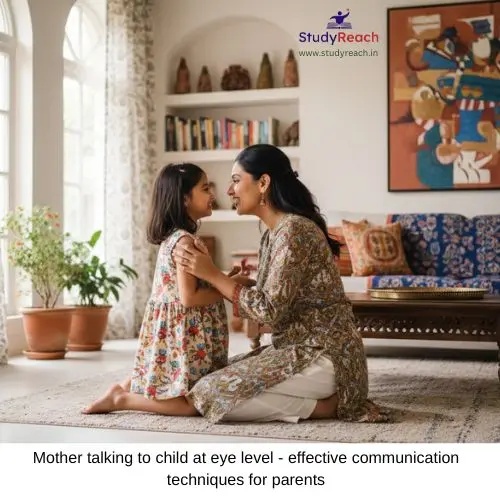
जब आप अपने बच्चे से बात करें, तो उनकी eye level पर बैठें या झुकें। यह simple gesture बहुत powerful है क्योंकि:
- बच्चा feel करता है कि आप उन्हें seriously ले रहे हैं
- Eye contact से better connection बनता है
- आपकी body language friendly और approachable लगती है
Example:
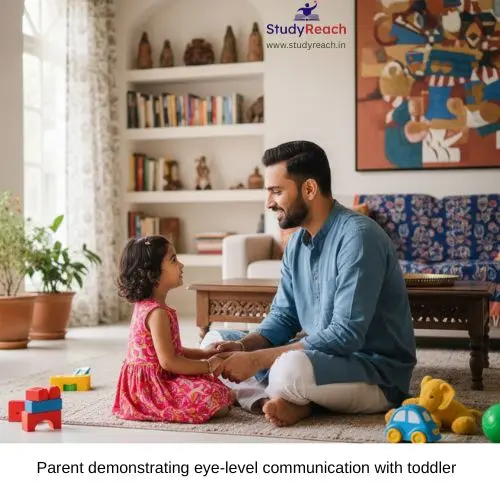
अगर आपका 4 साल का बच्चा toys नहीं उठा रहा, तो खड़े-खड़े चिल्लाने की बजाय उसके पास बैठें, उसकी आँखों में देखें और calmly कहें, “बेटा, अब खेलने का time खत्म हो गया। चलो मिलकर toys रखते हैं।”
2. Short और Simple Instructions दें
बच्चों का attention span limited होता है। Long lectures देने से वे easily distracted हो जाते हैं।
Instead of: “कितनी बार कहूं कि school से आकर सबसे पहले अपने shoes उतारो, bag रखो, hands धो लो, फिर खाना खाओ…”
Try this: “पहले hands धो लो, फिर खाना खाएंगे।”
Pro Tip:
एक time पर maximum 2-3 instructions दें।
3. Positive Language का Use करें
बच्चों को बताएं कि क्या करना है, न कि क्या नहीं करना है।
Negative approach: “मत दौड़ो!”, “शोर मत करो!”, “झूठ मत बोलो!”
Positive approach: “धीरे-धीरे चलो”, “आराम से बात करो”, “मुझे सच बताओ”
Positive instructions ज्यादा effective होते हैं क्योंकि बच्चे का brain सीधा समझ जाता है कि exactly क्या करना है।
4. Choices दें (Give Options)
जब बच्चों को feel होता है कि उनके पास control है, तो वे cooperate करने के लिए ज्यादा willing होते हैं।
Examples:
- “तुम अभी नहाना चाहोगे या 10 minutes बाद?”
- “आज homework पहले करोगे या snack के बाद?”
- “Blue shirt पहनोगे या red वाली?”
यह technique especially toddlers और preschoolers के साथ बहुत अच्छी काम करती है। लेकिन ध्यान रखें, दोनों options acceptable होने चाहिए।
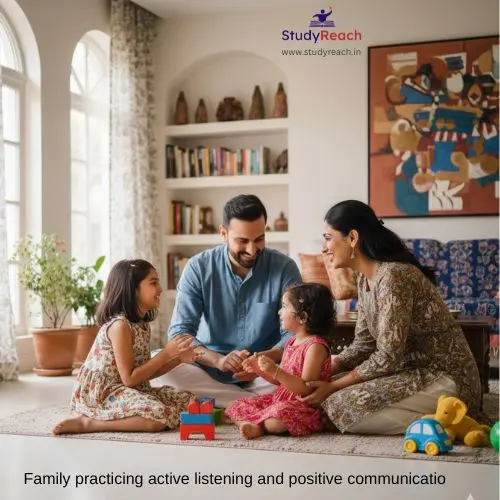
5. Active Listening Practice करें
अगर आप चाहते हैं कि बच्चे आपकी सुनें, तो पहले आप उनकी सुनें।
How to practice active listening:
- Phone aside रखें जब बच्चा बात कर रहा हो
- उनकी feelings को validate करें: “मुझे समझ आ रहा है कि तुम upset हो”
- उनकी बातों को repeat करके confirm करें: “तो तुम कह रहे हो कि…”
- Judgmental न बनें
जब बच्चे feel करते हैं कि उनकी बात सुनी जा रही है, तो वे भी आपकी बात सुनने के लिए ज्यादा open होते हैं।
6. Calm और Respectful Tone Maintain करें
आपका tone of voice जितना important है उतना ही आपके words भी।
Remember:
- Yelling से बच्चे डर सकते हैं, लेकिन respect नहीं सीखते
- Calm voice में भी आप firm रह सकते हैं
- आप जैसे communicate करेंगे, बच्चा वैसे ही सीखेगा
Technique: अगर आप frustrated feel कर रहे हैं, तो 3 deep breaths लें, फिर बोलें। यह simple trick really works!
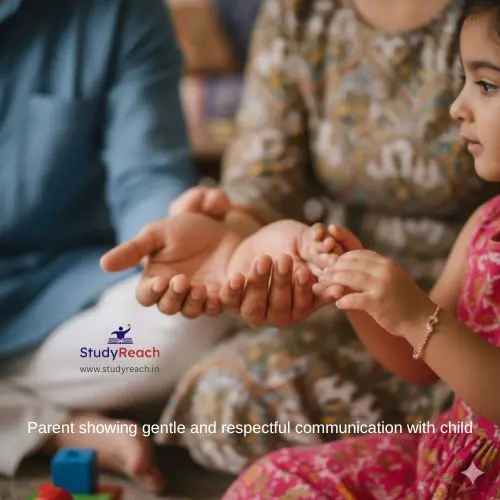
7. “When-Then” Formula Use करें
यह एक powerful parenting tool है जो cooperation बढ़ाता है।
Formula: “When you [do this], then you can [have that]”
Examples:
- “जब तुम अपनी vegetables खा लोगे, तब dessert मिलेगा”
- “When you finish your homework, then you can play outside”
- “जब room clean हो जाएगा, तब हम movie देखेंगे”
यह bribing नहीं है बल्कि natural consequences सिखाना है।
8. Warnings और Countdowns दें
Sudden transitions बच्चों के लिए difficult होते हैं। उन्हें prepare करने का time दें।
How to do it:
- “5 minutes में हमें निकलना है”
- “2 और cartoons, फिर TV बंद करना होगा”
- “Last 3 swings, then we’re going home”
यह approach especially transitions को smooth बनाता है और tantrums reduce करता है।
9. Describe What You See (Observation से शुरू करें)
Direct orders देने की बजाय, situation को describe करें।
Instead of: “अपना lunch box निकालो!”
Try: “मुझे तुम्हारा lunch box bag में दिख रहा है।”
बच्चा automatically समझ जाता है कि क्या करना है, और यह approach less confrontational होता है।
10. Consistency है Key
सबसे important tip: Consistent रहें अपने rules और expectations में।
Why consistency matters:
- बच्चे boundaries से security feel करते हैं
- Inconsistency से confusion होता है
- Regular routine से cooperation बढ़ता है
Practical tip:
अगर आपने कहा है “no screen time before homework,” तो इसे हर दिन follow करें, न कि कभी yes, कभी no.
Common Mistakes to Avoid
1. Repeating Yourself बार–बार
अगर आप 10 बार repeat करेंगे, तो बच्चा सीख जाएगा कि 11वीं बार तक ignore कर सकता है।
2. Empty Threats देना
“अगर तुमने ये नहीं किया तो…” और फिर follow through न करना। यह आपकी credibility कम करता है।
3. Comparisons करना
“तुम्हारी sister तो सुन लेती है” – यह sibling rivalry बढ़ाता है।
4. Exhausted होकर Give Up करना
Parenting marathon है, sprint नहीं। Patience रखें।
Age-Specific Tips
| Toddlers (1-3 years) | Preschoolers (3-5 years) | School-age (6-12 years) | Teenagers |
| Very simple, one-step instructions Visual cues use करें Distraction technique काम करती है | Choices दें Play और imagination का use करें “Magic words | Reasoning explain करें Responsibilities दें Their | Respect their independence Negotiate करने के लिए open रहें Trust build करें |
Real Parent Stories
Priya’s Experience (Mumbai): “मेरा 5 साल का बेटा हर morning school के लिए ready होने में drama करता था। जब मैंने eye level पर बैठकर उससे choices देना शुरू किया – ‘पहले brush करोगे या clothes पहनोगे?’ – तो surprisingly उसने cooperate करना शुरू कर दिया। अब हमारी mornings peaceful हैं!”
Rahul’s Tip (Delhi): “When-then formula ने mealtime battles खत्म कर दिए। ‘When you eat 5 bites of sabzi, then you can have roti with butter’ – यह simple approach से मेरी बेटी अब vegetables भी खाती है।”
Scientific Research Behind These Tips
Research shows कि:
- Positive communication से children का self-esteem बढ़ता है
- Respectful tone से brain के learning centers activate होते हैं
- Choices देने से decision-making skills develop होती हैं
- Consistency से neural pathways strengthen होते हैं
Harvard University और Yale University की parenting studies ने confirm किया है कि ये techniques long-term positive results देती हैं।
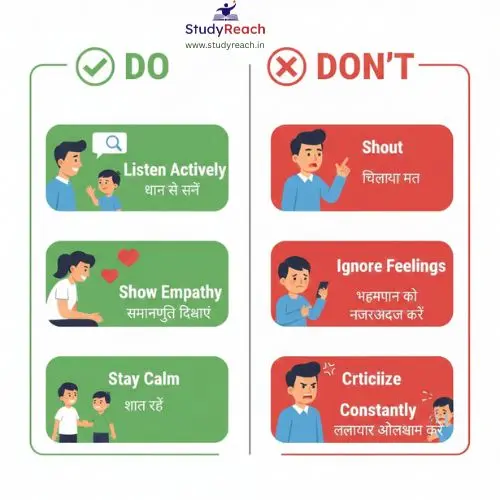
Quick Reference Guide: Do’s and Don’ts
| ✅ DO’s: | ❌ DON’ts: |
| Make eye contact Use calm, firm voice Give advance warnings Praise good behavior Be consistent Model good behavior Listen actively Offer choices | Don’t yell or threaten Don’t compare siblings Don’t give empty warnings Don’t interrupt when they speak Don’t expect instant obedience Don’t take it personally Don’t give up too quickly |
Conclusion: Patience और Practice से Success
बच्चों से effectively communicate करना एक skill है, और हर skill की तरह इसे practice की जरूरत होती है। हर बच्चा unique है, तो हो सकता है कुछ techniques आपके लिए दूसरों से better काम करें।
यादर रखें
- Perfect parent कोई नहीं होता
- Mistakes से सीखें
- Celebrate small wins
- Consistent efforts eventually pay off
अगर आप इन 10 tips को regularly practice करेंगे, तो आप notice करेंगे कि:
- Power struggles कम हो जाएंगे
- आपका relationship बेहतर होगा
- घर का environment peaceful होगा
- बच्चे responsible बनेंगे
Parenting journey में आप अकेले नहीं हैं। यह tips आपके toolbox में helpful tools की तरह हैं। Start small, stay patient, और देखिए कैसे आपके घर में positive changes आते हैं!
NOW ITS YOUR CHANCE TO GIVE YOUR REVIEW :
क्या आपने ये tips try की हैं? Comment section में share कीजिए कौन सी technique आपके लिए सबसे अच्छी काम करती है! और अगर यह article helpful लगा, तो इसे उन parents के साथ share करें जिन्हें इसकी जरूरत हो सकती है।
Subscribe करें हमारे StudyReach के लिए और पाएं weekly parenting tips.

SteadyReach is your trusted source for the latest educational updates, competition announcements, exam notifications, and student opportunities across India. We bring you timely information about CBSE circulars, scholarship programs, and career guidance to help students excel academically. Stay updated. Subscribe to our newsletter for more educational opportunities and competition alerts.
Share this opportunity with fellow students. Friends know about the UPSC 2026 Letter Writing Competition.
Click for More updates on CBSE News and Circulars
Related Articles :