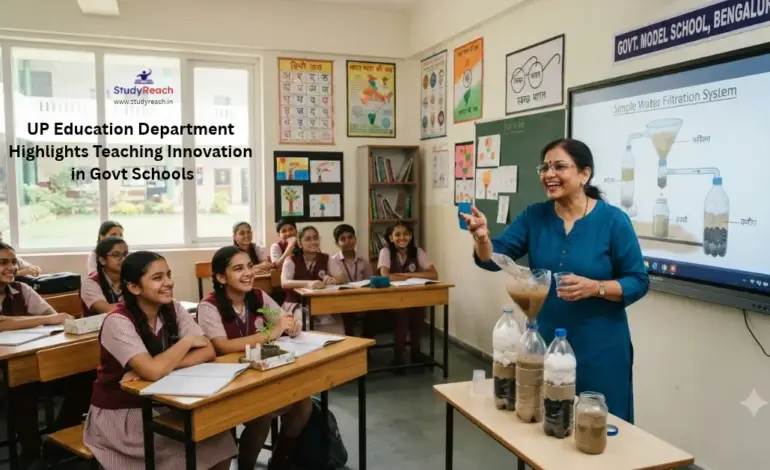
UP Education Department Highlights Teaching Innovation in Govt Schools

Table of Contents
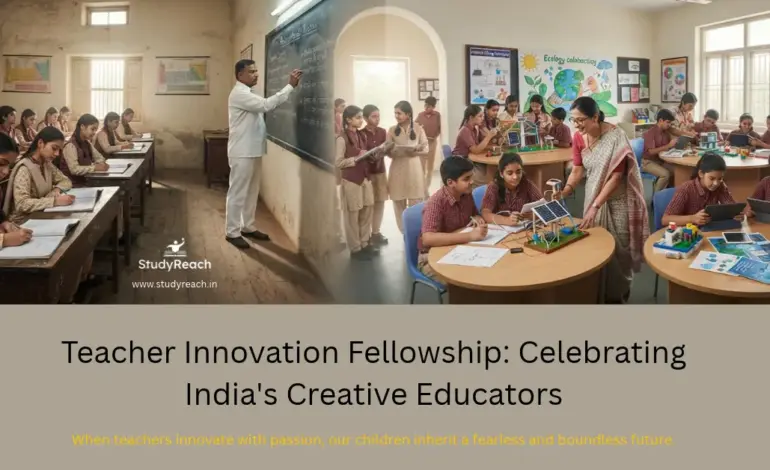
Chalk and talk is no longer the sole identity of our classrooms. Across India, a quiet transformation is unfolding inside government-run campuses.
Passionate educators are rewriting the rules of ordinary learning. Are we finally moving beyond rote memorization?
As an educator and founder of studyreach.in, this recent news caught my immediate attention. The UP education department has decided to actively showcase government schools’ innovations and best practices. This initiative places much-needed spotlight on grassroots teaching innovation happening every single day.
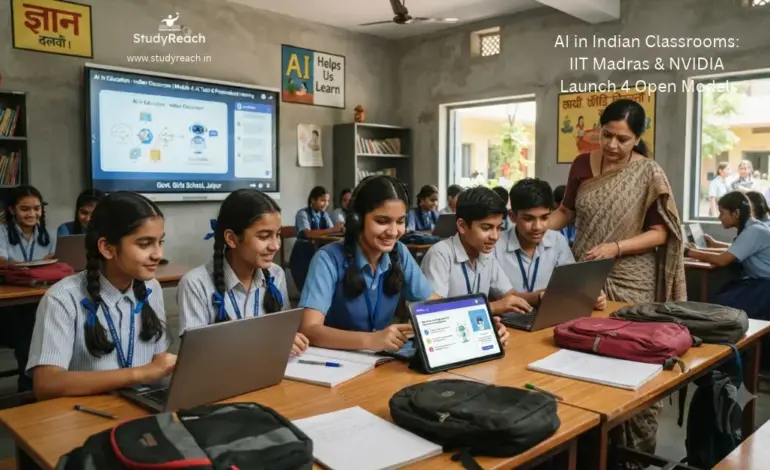
For decades, public schooling in India faced sweeping skepticism regarding quality and engagement. Now, dedicated teachers are leveraging low-cost digital tools, activity-based learning, and creative problem-solving.
Such steps align wonderfully with modern frameworks outlined by the Ministry of Education and national guidelines.
Let us explore why celebrating grassroots teaching innovation changes the narrative for millions of students.
Embracing Grassroots Teaching Innovation
True educational reform rarely happens in corporate boardrooms.
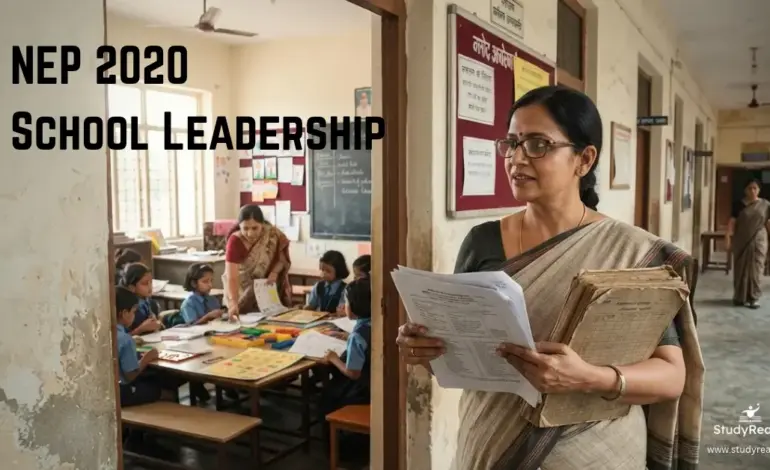
It happens inside small classrooms where teachers build low-cost science models using everyday household waste.
When government teachers step up with localized solutions, communities take notice and trust is restored.
We saw similar creative energy celebrated when discussing initiatives like the Teacher Innovation Fellowship.
Such recognition fuels enthusiasm among educators who often work under constrained infrastructural resources.
“Beta, sarkar school ke teacher ab smart class chalate hain! Phle humein doubt tha, par ab bachhe khud project banate hain.”
That proud parent quote highlights a massive cultural shift in how society views public education.
When state departments curate and broadcast these success stories, it sparks healthy collaboration among districts.
Teachers across different blocks can adopt proven modules instead of reinventing the wheel independently.
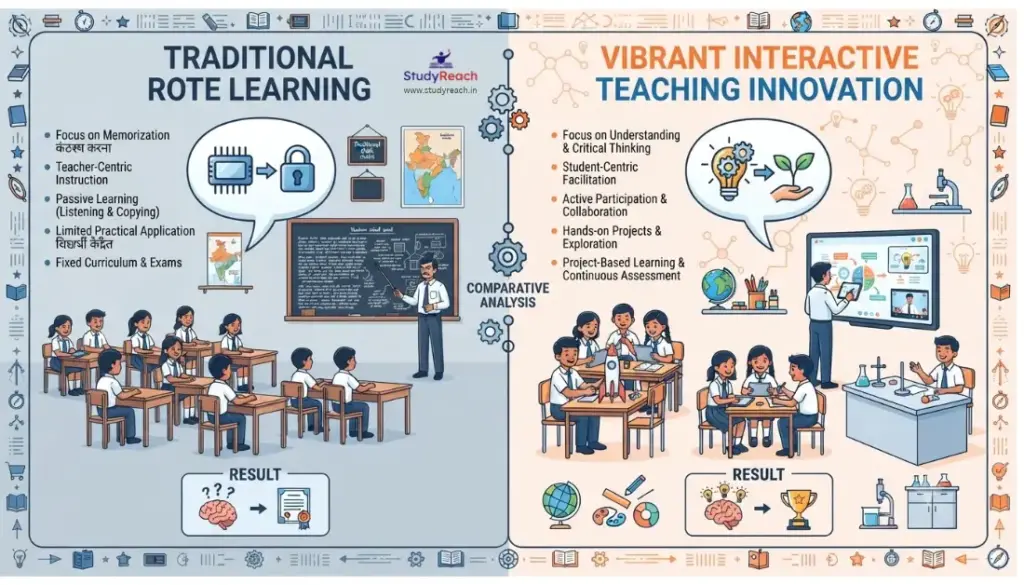
Let us examine the stark contrast between conventional approaches and modern pedagogical reforms.
| Instead of only… | Why not also… |
|---|---|
| Relying strictly on traditional textbook reading | Integrating experiential, inquiry-based teaching innovation |
| Treating government schools as underperforming units | Highlighting district-level best practices publicly |
| Isolating teachers within single school boundaries | Connecting mentors through digital platforms and fellowships |
| Focusing solely on rote exam scores | Promoting holistic skill development and critical thinking |
To deepen your understanding of broader structural frameworks, you can also review resources provided by NCERT.
Here are key pillars that make state-level showcases effective for our educational ecosystem:
- Transparent documentation of daily classroom experiments
- Peer-to-peer teacher training workshops across rural clusters
- Digital repositories accessible to parents and student mentors
- Community involvement in celebrating student-led projects
By spotlighting these milestones, the UP education department sets a replicable benchmark for other states.
My Question to Parents
Are you willing to visit your local government school and witness these inspiring changes firsthand?
My Question to Students
How can you use your own curiosity to make everyday classroom learning more interactive and fun?
Final Thoughts
Excellence is never a monopoly of private institutions; when given a voice, government school educators and students can redefine the future of Indian education.
Let us support every spark of creativity and build a truly inclusive learning nation together!