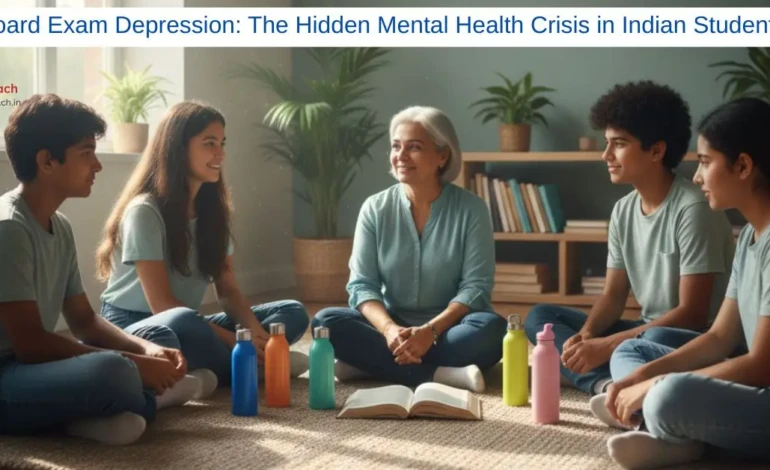
Board Exam Depression: The Hidden Mental Health Crisis in Indian Students (And How to Help)

The Alarming Reality
“I can’t sleep. Every time I close my eyes, I see question papers. My heart races whenever someone asks about my preparation. I feel like I’m drowning.”
⚠️ IMPORTANT DISCLAIMER: This article provides educational information about student mental health. It is not a substitute for professional medical advice, diagnosis, or treatment. If you or someone you know is in crisis, please contact emergency services or call a mental health helpline immediately. Helplines listed at the end of this article.”
These are not uncommon words from Class 10 and 12 students across India. While we celebrate academic excellence and competitive exam success, there’s a silent epidemic sweeping through our classrooms—student mental health crisis.
Recent studies reveal shocking statistics: nearly 70% of Indian students report moderate to high anxiety levels, and about 60% show symptoms of depression. As CBSE Board Exams 2026 approach, understanding and addressing student mental health has never been more critical.
This comprehensive guide is for students, parents, and teachers who want to understand the mental health crisis in Indian education and learn practical ways to help.
Table of Contents
Understanding the Student Mental Health Crisis in India
The Numbers Don’t Lie
According to recent mental health surveys in India:
- 70% of students experience moderate to high anxiety
- 60% of students show depression symptoms
- Over 70% report high emotional distress
- Student suicides have increased by alarming rates in recent years
- The counsellor-to-student ratio in schools is far below global standards (1:500+ vs recommended 1:250)
Why Is This Happening Now?
The current generation of students faces unprecedented pressure:
- Academic Pressure Overload
- Marks-obsessed culture in Indian society
- Peer competition intensified by social media
- Limited college seats vs massive student population
- Coaching classes starting from Class 6-7
- Digital Age Challenges
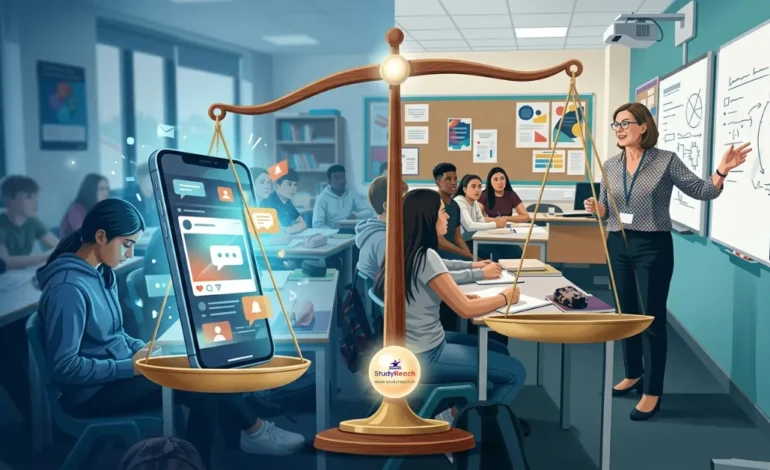
- Constant comparison on social media
- 24/7 screen time affecting sleep and mental rest
- Cyberbullying and online harassment
- Digital validation seeking behavior
- Family & Social Expectations
- Parents’ unfulfilled dreams projected on children
- Extended family comparisons (“Sharma ji ka beta…”)
- Career choices limited by societal norms
- Fear of disappointing parents
- Broken Support Systems
- Nuclear families with limited emotional support
- Teachers trained in subjects, not emotional sensitivity
- Lack of safe spaces to express feelings
- Mental health still considered “taboo”
Recognizing the Warning Signs
For Students: Are You Struggling?
Ask yourself these questions honestly:
Physical Signs:
- Frequent headaches or stomach aches before exams?
- Sleep problems (insomnia or oversleeping)?
- Loss of appetite or overeating?
- Constant fatigue despite rest?
- Unexplained body pains?
Emotional Signs:
- Feeling hopeless about the future?
- Constant worry that doesn’t go away?
- Irritability or mood swings?
- Crying frequently without clear reason?
- Feeling numb or emotionally disconnected?
Behavioral Signs:
- Avoiding friends and family?
- Loss of interest in activities you once enjoyed?
- Declining academic performance despite studying?
- Difficulty concentrating?
- Thoughts about hurting yourself? (If yes, seek help IMMEDIATELY)
For Parents: Warning Signs in Your Child
Watch for these red flags:
- Sudden behavioral changes: Withdrawn, irritable, or aggressive
- Academic drop: Previously good student showing declining performance
- Physical complaints: Frequent headaches, stomach issues with no medical cause
- Sleep changes: Up all night or sleeping excessively
- Social withdrawal: Avoiding friends, family gatherings
- Loss of interest: No longer interested in hobbies, sports, or favorite activities
- Self-harm indicators: Cuts, burns, or bruises they try to hide
- Talking about death: Even casually mentioning death, suicide, or “giving up”
Why Indian Students Are Especially Vulnerable
The “Marks = Worth” Equation
In India, academic performance is often equated with a child’s entire worth. This creates:
- Identity Crisis: “I am my marks” mentality
- Fear of Failure: One bad exam = complete failure
- Shame Culture: Public shaming for poor results
- Limited Options Perception: “Only IIT/MBBS = success”
The Coaching Class Trap
The billion-dollar coaching industry has created:
- 12-14 hour study schedules
- No time for play, sports, or relaxation
- Constant pressure and comparison
- Weekend coaching classes replacing family time
- Financial burden adding family stress
Social Media Amplification
Today’s students face:
- Highlight reels of “toppers” creating unrealistic comparisons
- Study influencers promoting 18-hour study routines
- Exam results shared publicly on social media
- Cyberbullying over academic performance
- Fear of Missing Out (FOMO) on achievements
Practical Solutions: student mental health crisis India – What Can Be Done?
For Students: Self-Help Strategies
1. The “STOP” Technique for Anxiety
When panic strikes during studying:
- S – Stop what you’re doing
- T – Take three deep breaths
- O – Observe your thoughts without judgment
- P – Proceed with awareness
2. The 5-5-5 Rule for Exam Stress
When overwhelmed:
- Name 5 things you can see
- 5 things you can touch
- 5 things you can hear This grounds you in the present moment.
3. Healthy Study Habits
- 50-10 Rule: Study 50 minutes, break 10 minutes
- No all-nighters: Sleep is when memory consolidation happens
- Exercise daily: Even 20 minutes helps mental clarity
- Eat properly: Junk food affects mood and concentration
4. Build a Support Circle
- One trusted friend who understands your struggles
- One family member you can talk to without judgment
- One teacher/mentor who genuinely cares
- Professional help if needed (counselor, therapist)
5. Redefine Success
Write this down and read it daily:
“I am not my marks. My worth is not determined by exam results. I am valuable because I exist. One exam does not define my entire future.”
For Parents: Creating a Mentally Healthy Home
What NOT to Do:
❌ Never Compare: “Why can’t you be like your cousin?”
❌ Don’t Dismiss Feelings: “Don’t be dramatic, just study harder”
❌ Avoid Constant Monitoring: Hovering creates more anxiety
❌ Don’t Make Threats: “If you fail, we’ll disown you”
❌ Never Ignore Warning Signs: “He’s just being lazy/dramatic”
What TO Do:
✅ Create Safe Spaces for Communication
- Weekly “no-judgment” talks
- Listen without immediately giving advice
- Validate their feelings: “I understand you’re stressed”
✅ Show Unconditional Love
- “We love you regardless of your marks”
- “Your mental health matters more than any exam”
- “We’re proud of your effort, not just results”
✅ Respect Their Limits
- Not every child is IIT/MBBS material (and that’s OKAY!)
- Multiple paths exist to success
- Their interests and strengths matter
✅ Monitor Without Micromanaging
- Check in regularly but don’t control
- Help them organize, don’t do it for them
- Be available but not intrusive
✅ Model Healthy Behavior
- Manage your own stress healthily
- Don’t project your unfulfilled dreams on them
- Take breaks, exercise, and show self-care
✅ Get Professional Help When Needed There’s NO SHAME in seeking help from:
- School counselors
- Child psychologists
- Mental health helplines
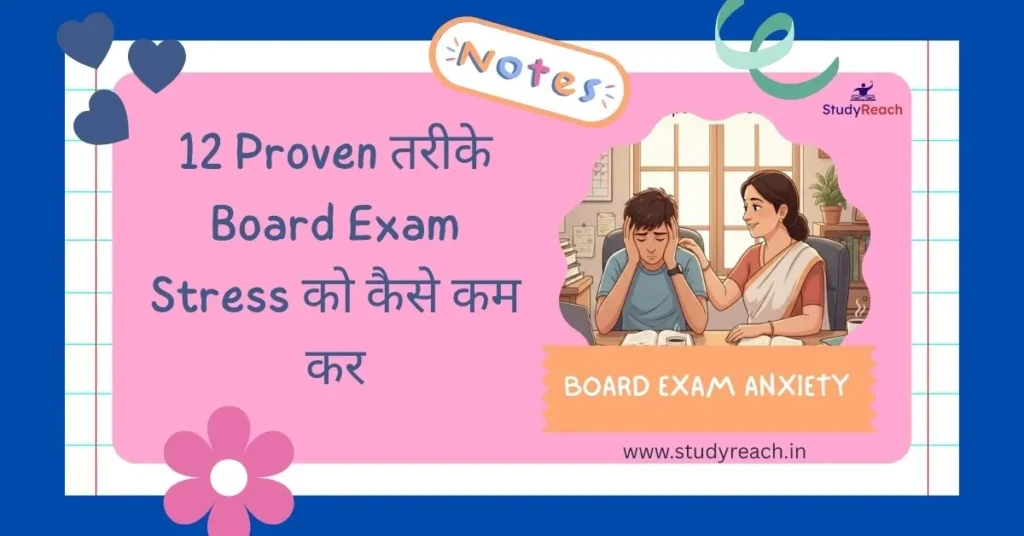
For Teachers: Creating Emotionally Safe Classrooms
Immediate Actions:
- Start Class With Check-ins: “How is everyone feeling today?” (1 minute)
- Create “No-Shame” Zones: Mistakes are learning opportunities, not failures
- Recognize Mental Health Signs: Get basic training in spotting depression, anxiety
- Avoid Public Shaming: Never announce marks publicly or compare students
- Be Available: Let students know they can talk to you
- Integrate SEL (Social-Emotional Learning): Teach emotional regulation alongside subjects
- Collaborate With Parents: Share concerns privately and constructively
Long-Term Changes:
- Training: All teachers need mental health first-aid training
- Counselor Access: Every school should have professional counselors
- Policy Changes: Move away from pure exam-based evaluation
- Life Skills Classes: Teach stress management, emotional intelligence
- Peer Support Programs: Train students to support each other
Breaking the Stigma: Let’s Talk Mental Health
Common Myths vs Reality
Myth: “Mental health issues are just ‘weakness'”
Reality: Depression and anxiety are medical conditions, not character flaws
Myth: “Only crazy people need therapy”
Reality: Therapy is for anyone struggling, just like going to a doctor for a fever
Myth: “Talking about suicide puts the idea in their head”
Reality: Asking directly about suicidal thoughts can save lives
Myth: “Students are just being dramatic for attention”
Reality: 60% show genuine depression symptoms—this is a crisis, not drama
Real Stories: You’re Not Alone
Payal’s Story (Class 12, CBSE)
“I was a topper until Class 11. Then suddenly I couldn’t concentrate. I’d study for hours but retain nothing. I started having panic attacks before exams. My parents called me lazy. Teachers said I wasn’t trying hard enough.
Finally, I broke down completely. A teacher noticed and connected me with a counselor. Turns out I had clinical anxiety. With therapy and support, I learned to manage it. I didn’t top my boards, but I passed—and more importantly, I’m healthy and happy now.”
Ritvik’s Journey (Engineering Student)
“Everyone expected me to crack JEE because I was ‘smart’. I didn’t. I felt like I’d failed my entire family. I was depressed for months.
My parents finally said, ‘We just want you happy.’ That changed everything. I’m now in a different college, studying what I love, and I’m thriving. One exam didn’t define my life.”
The Way Forward: A Collective Responsibility
Student mental health is not just a “student problem” or a “school problem”—it’s a societal challenge requiring systemic change:
Policy Level:
- Mandatory mental health education in schools
- Adequate counselor-to-student ratios
- Regular mental health screenings
- Teacher training in emotional sensitivity
School Level:
- Emotional safety as a priority
- Less emphasis on marks, more on learning
- Safe spaces for students to express feelings
- Active anti-bullying policies
Family Level:
- Unconditional love and support
- Open communication without judgment
- Healthy expectations aligned with child’s abilities
- Model good mental health practices
Individual Level (Students):
- Seek help when struggling (it’s strength, not weakness)
- Practice self-compassion
- Build support networks
- Redefine personal success
Conclusion: Every Student Deserves to Be Happy
Here’s the truth that nobody tells you enough:
You are not a machine designed to score marks.
You are a human being with emotions, dreams, limits, and infinite worth—regardless of your exam scores.
One board exam, one competitive test, one semester—these do not define your entire life. You have permission to struggle. You have permission to ask for help. You have permission to choose mental health over academic perfection.
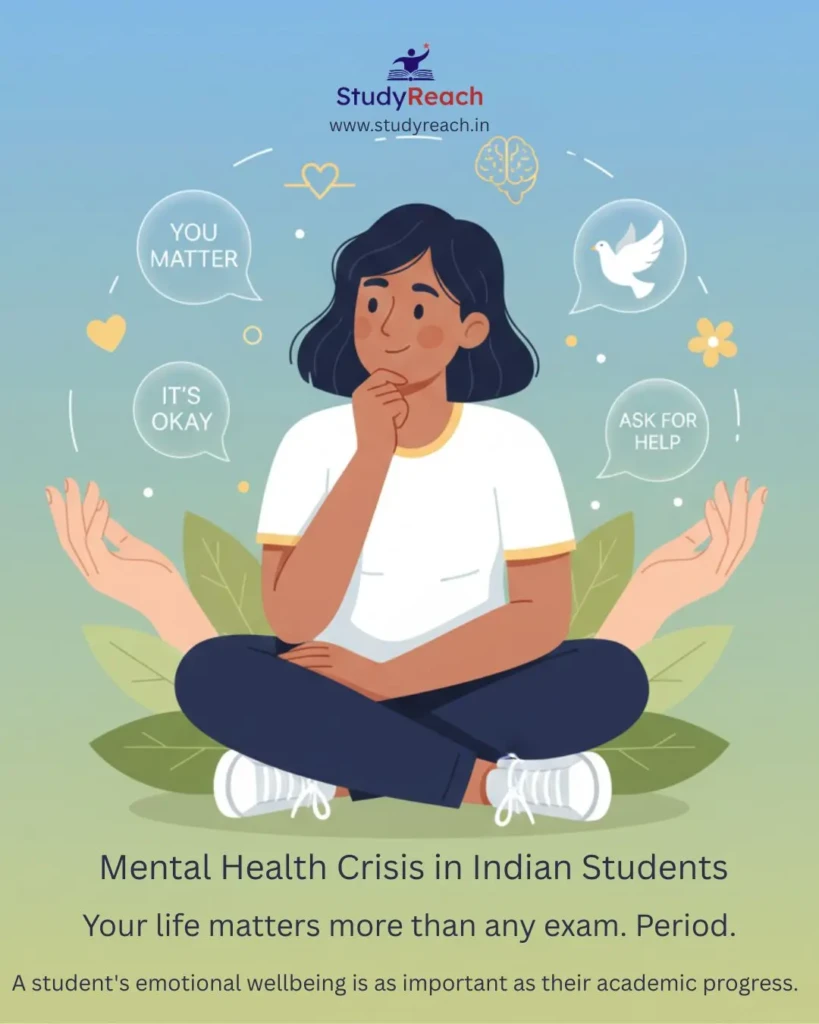
To every student reading this: Your life matters more than any exam. Period.
To every parent: Your child’s happiness matters more than society’s approval.
To every teacher: A student’s emotional wellbeing is as important as their academic progress.
Let’s create an education system where students thrive, not just survive.
Take Action Today
Students: If you’re struggling, tell someone today. One person. Start there.
Parents: Have a conversation with your child tonight—without mentioning studies.
Teachers: Notice the quiet student. Check in with them.
Everyone: Share this article with someone who needs it.
Remember: It’s okay to not be okay. It’s not okay to suffer in silence.
Quick Resources :
Q1: Is it normal to feel anxious before exams?
Some anxiety is normal. Constant, debilitating anxiety that affects daily life is not—seek help.
Q2: Will therapy/counseling affect my career prospects?
Absolutely not. Mental health treatment is confidential and shows maturity and self-awareness.
Q3: How do I convince my parents I need professional help?
Show them this article. Explain specific symptoms. Request they consult a professional for advice.
Q4: Can I recover from depression and still do well academically?
Yes! Many successful people have managed mental health conditions. Treatment helps you perform better.
💚 If this article helped you, please share it with someone who needs it.
🗣️ Let’s break the stigma—comment below with your support for students struggling with mental health.
Visit www.StudyReach.in for more updates on educational initiatives and CBSE circulars